
In this article
- XPEL PPF Dubai: Prices and Key Information
- 1. Why Does Your Car Need PPF in Dubai?
- 2. What Is Paint Protection Film and How Does It Work?
- 3. Which XPEL PPF Should You Choose?
- 4. XPEL vs STEK: Which PPF Is Better for Dubai?
- 5. Bespoke Hand-Cut PPF vs Computer-Cut PPF
- 6. Why Do PPF Edges, Corners and Seams Matter?
- 7. Does PPF Installation Involve Cutting on Paint or Removing Vehicle Components?
- 8. The Modcare Bespoke PPF Installation Process
- 9. Full-Body PPF vs Full-Front PPF: Which Coverage Should You Choose?
- 10. Colour PPF: Changing Your Vehicle’s Appearance While Protecting Its Paint
- 11. Matte and Satin PPF: Protecting or Transforming Your Vehicle’s Finish
- 12. Interior PPF: Protecting Piano Black, Carbon Fibre, Screens and More
- 13. How Much Does PPF Cost in Dubai?
- 14. PPF vs Ceramic Coating: Which Should You Choose?
- 15. How Long Does PPF Last in Dubai?
- 16. What Does the XPEL PPF Warranty Cover?
- 17. How to Choose the Best PPF Installer in Dubai
- 18. Why Choose Modcare for Bespoke PPF in Dubai?
- Frequently Asked Questions About XPEL PPF and Paint Protection Film in Dubai
- Protect Your Vehicle with Bespoke PPF from Modcare, Dubai
Choosing paint protection film (PPF) for a luxury or performance vehicle is about more than selecting a recognised film manufacturer. The quality of the film, the way it is fitted, the preparation of the original paintwork and the attention given to edges, corners and finishing all influence the final result.
For vehicle owners considering XPEL PPF in Dubai, there are several important decisions to make. Which XPEL film is right for your vehicle? Is ULTIMATE PLUS worth choosing over ULTIMATE FUSION? What is the difference between XPEL and STEK? How much should full-body PPF cost in Dubai? And perhaps most importantly, what should you expect from a genuinely high-quality installation?
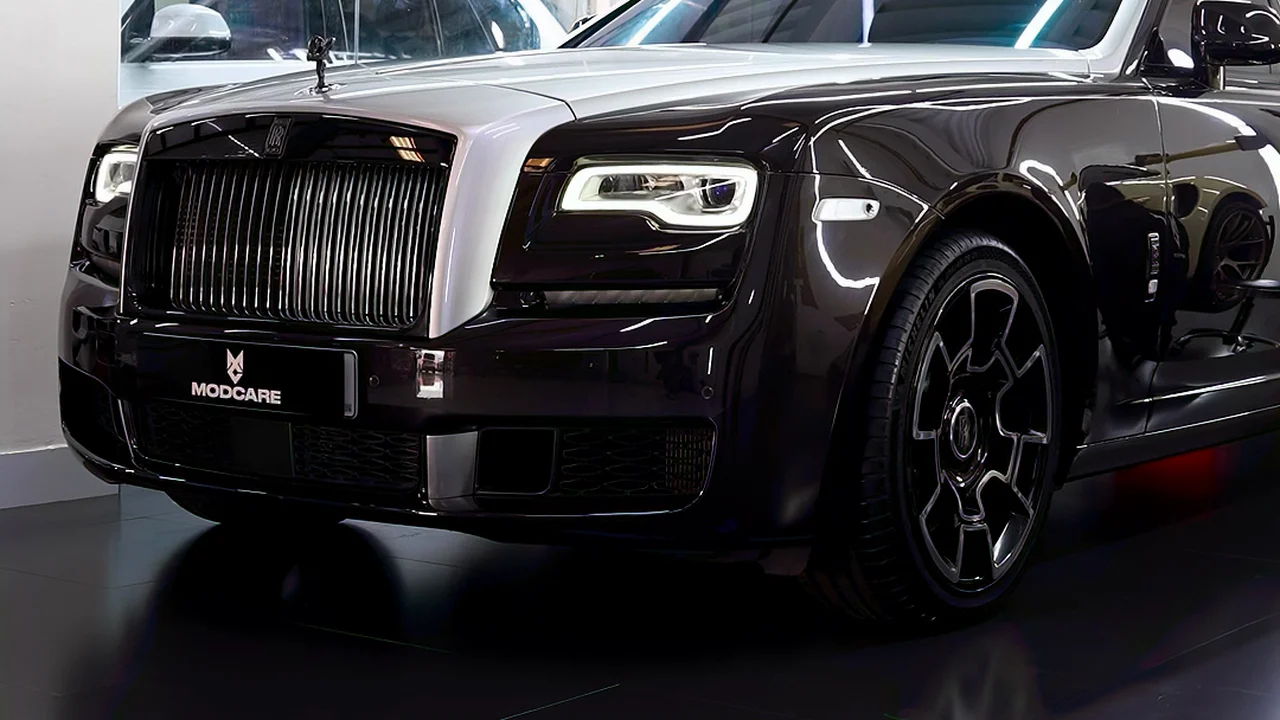
Dubai presents its own challenges for automotive paintwork. Highway stone chips, airborne sand, road debris, intense sunlight, heat and frequent washing can all contribute to the deterioration of a vehicle’s exterior finish.
At Modcare, we approach paint protection as a bespoke process. We work with premium film manufacturers, including XPEL and STEK, and tailor our installations to the individual vehicle rather than treating every car as an identical application.
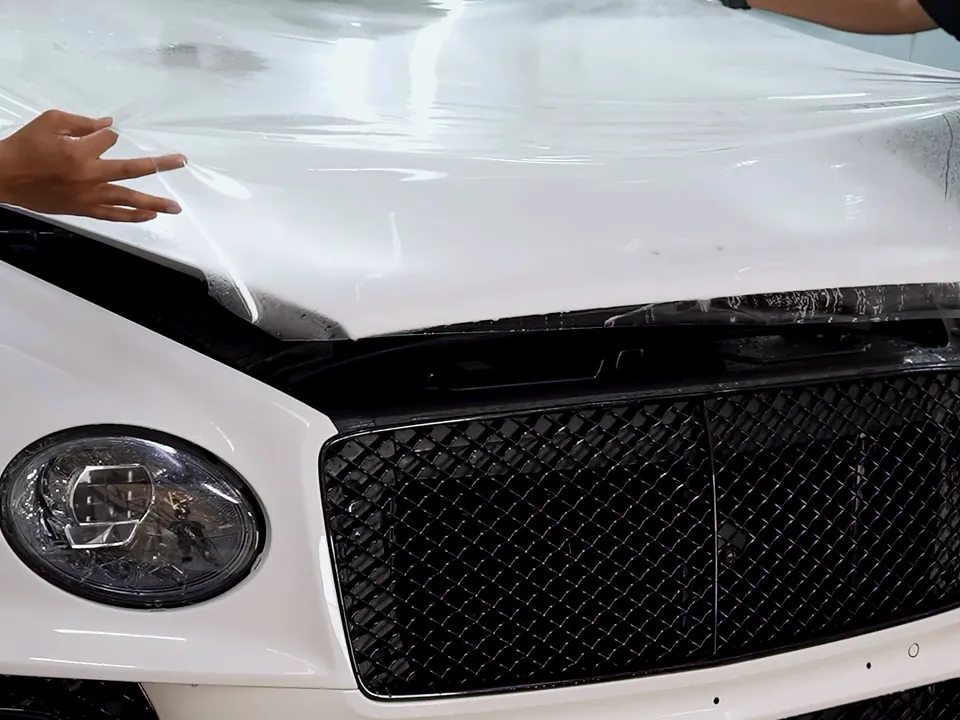
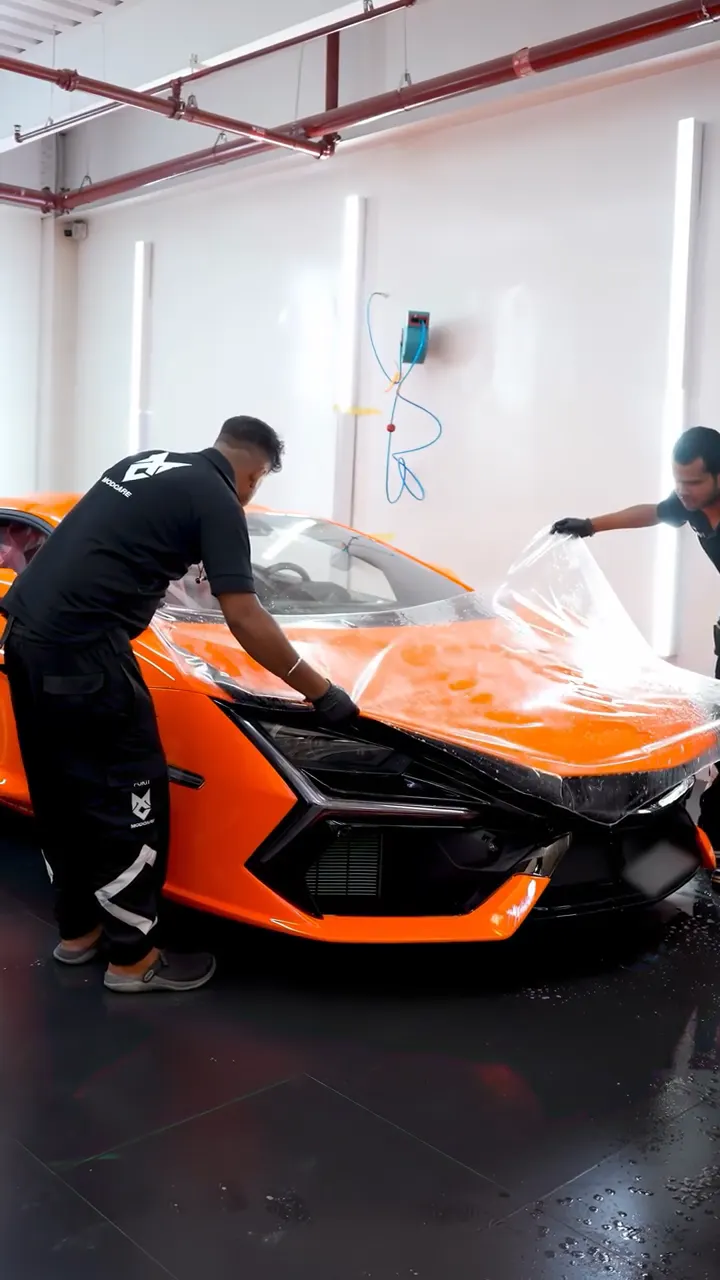
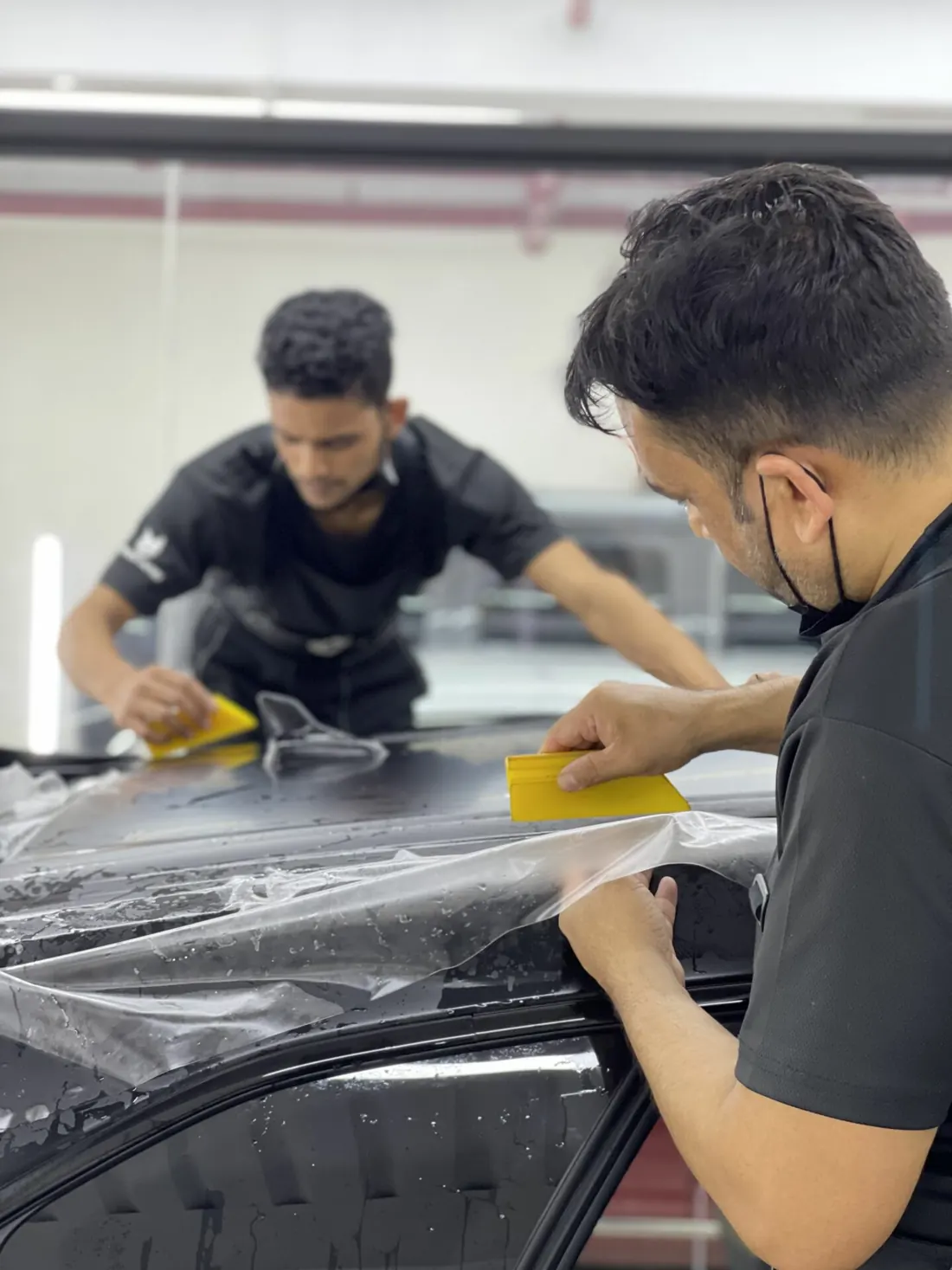
Our approach prioritises hand-tailored fitting, careful paint preparation, no blades touching painted surfaces, minimal intervention with original vehicle components and discreet edge finishing. The objective is to maximise coverage while keeping the protection as visually integrated with the vehicle as possible.
This guide covers XPEL PPF prices in Dubai, available film options, XPEL vs STEK, film construction, installation methods, paint preparation, exterior and interior protection, warranties, maintenance and what to look for when choosing a PPF installer.
XPEL PPF Dubai: Prices and Key Information
For owners researching XPEL PPF prices in Dubai, the cost depends on the selected film, finish, coverage and installation requirements.
At Modcare, our starting prices are:
| PPF Service | Starting Price (Excluding VAT) |
|---|---|
| Full-body clear PPF | AED 12,000 |
| Full-body matte PPF | AED 12,000 |
| Colour exterior PPF | AED 13,500 |
| Interior PPF | AED 1,700 |
Important pricing information:
- Clear and matte full-body PPF start at AED 12,000, regardless of vehicle type.
- Colour PPF starts at AED 13,500 for exterior coverage only.
- Door jambs and boot coverage are excluded from the colour PPF starting price.
- Interior PPF starts at AED 1,700, depending on the surfaces and coverage selected.
- All prices are exclusive of 5% UAE VAT.
- Available film options include XPEL and STEK, subject to the specific product selected.
- XPEL films supplied by Modcare carry a 10-year manufacturer warranty, subject to the applicable product terms.
- A typical bespoke exterior PPF installation takes approximately 4–5 working days.
These are Modcare’s PPF starting prices. Your quotation will name the selected XPEL or STEK product, coverage and any preparation or product upgrades before installation.
What is included in a bespoke PPF installation?
A professional installation involves considerably more than applying film to the vehicle.
The process should include:
- Initial vehicle inspection and paint assessment.
- Thorough washing and surface decontamination.
- Paint depth assessment before polishing.
- Paint correction and preparation appropriate to the vehicle.
- Bespoke film measurement, preparation and cutting.
- Hand-tailored film application.
- Edge, corner and seam finishing.
- Dedicated quality-control inspection.
- Aftercare instructions and applicable warranty documentation.
At Modcare, these stages form part of our approach to achieving a refined, discreet installation.
Discuss your vehicle’s requirements with Modcare. The team can help determine the appropriate film, coverage and preparation requirements before providing a quotation.
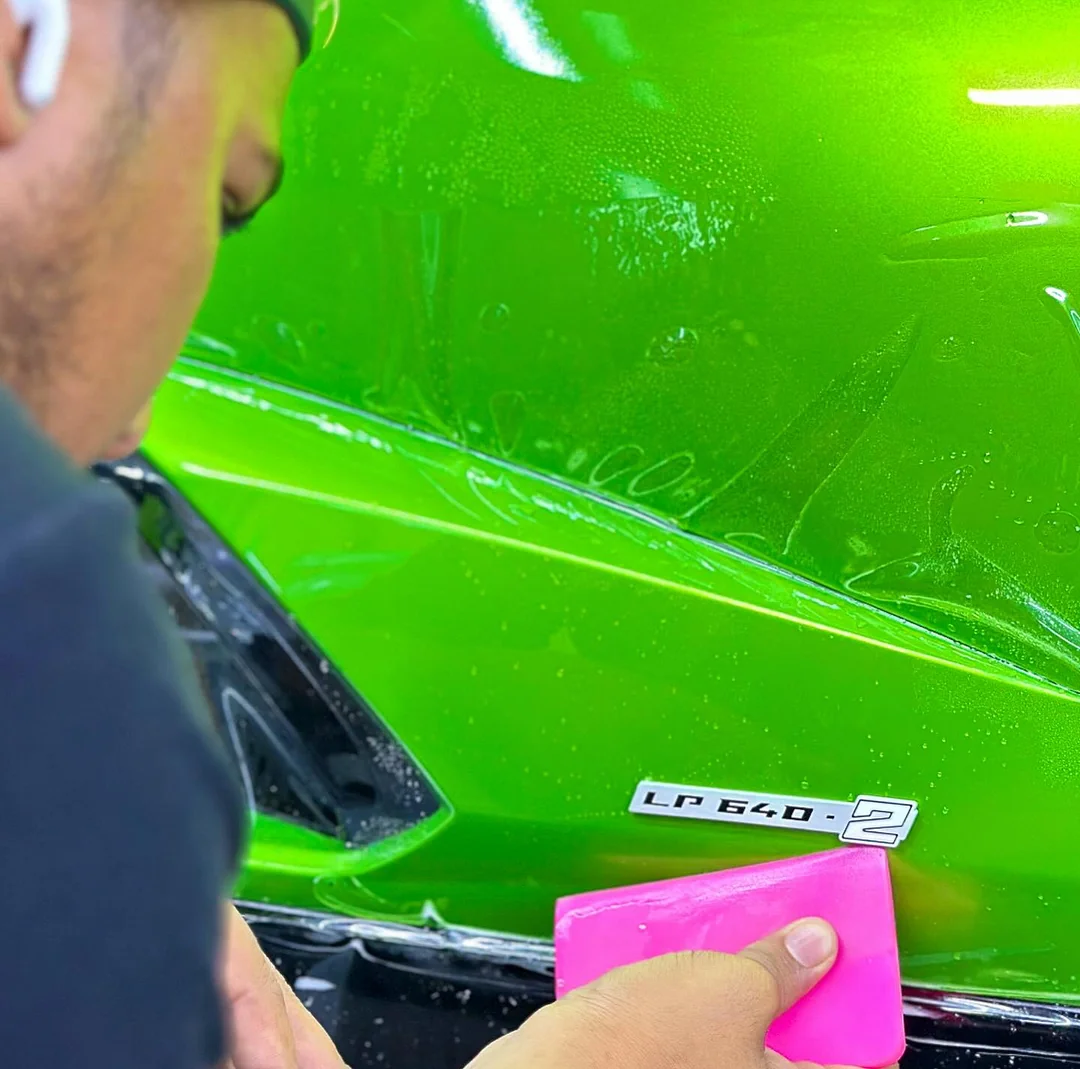
1. Why Does Your Car Need PPF in Dubai?
Dubai’s driving and environmental conditions create several challenges for automotive paintwork. Even vehicles that are carefully maintained can accumulate paint damage through everyday use.
Highway stone chips and road debris
Driving on Sheikh Zayed Road, Emirates Road and other major highways exposes the front of a vehicle to stones, grit and road debris.
Small impacts can chip paint, particularly on:
- Front bumpers.
- Bonnet and front wings.
- Mirror housings.
- Headlights.
- Lower doors and side skirts.
- Rear arches and lower bodywork.
Luxury vehicles with low front splitters, wide bodywork and expensive paint finishes can be particularly frustrating to maintain when exposed to regular road use.
PPF creates a sacrificial protective layer between the road environment and the original paint.
Fine sand and airborne dust
Fine sand and dust are regular considerations for vehicle owners in the UAE.
When particles become trapped between washing materials and the paint surface, contact washing can introduce fine scratches and swirl marks.
The correct washing process starts with removing loose contamination before touching the vehicle.
PPF provides an additional protective surface, although it does not eliminate the need for proper washing techniques.
Intense sunlight, UV exposure and heat
Vehicles in Dubai experience substantial sunlight and elevated ambient temperatures, particularly during summer.
UV exposure and environmental ageing can affect automotive finishes and protective films over time. Heat can also influence the behaviour of contaminants and the conditions under which film is installed and maintained.
Premium automotive PPF is engineered for exterior exposure, but no film is immune to ageing or every environmental condition.
The product’s specifications, installation quality and maintenance all matter.
Frequent washing
Keeping a vehicle clean in Dubai often means washing it frequently.
Incorrect washing methods, dirty wash media, aggressive chemicals and improper drying can gradually introduce surface marks.
On darker gloss paint, these imperfections can become particularly noticeable under direct sunlight or workshop lighting.
Preserving original factory paint
For luxury and performance vehicles, maintaining original paintwork can be particularly important.
Factory paint is part of the vehicle’s originality. Repainting a panel may introduce differences in colour, texture or finish and can affect the vehicle’s documented paint history.
PPF helps preserve the underlying finish by taking much of the everyday exposure that would otherwise reach the paint.
What does PPF actually protect against?
Paint protection film is designed to help protect covered surfaces against:
- Small stone chips.
- Road debris.
- Light surface abrasion.
- Certain everyday scratches and contact marks.
- Some environmental contamination.
- Minor washing-related surface marks.
However, PPF is not indestructible. Severe impacts, deep cuts, punctures and accidents can still damage the film and potentially the paint underneath.
It is a physical protective layer, not a guarantee against every type of damage.
2. What Is Paint Protection Film and How Does It Work?
Paint protection film is a flexible protective material applied over automotive surfaces. Modern premium PPF is commonly manufactured using thermoplastic polyurethane (TPU).
Unlike ceramic coating, which is a liquid-applied surface treatment, PPF provides a physical barrier between the vehicle’s paint and external contact.
Premium PPF generally consists of three principal functional layers.

1. Polyurethane layer
The TPU layer provides the film’s main protective structure.
It is engineered to combine flexibility, elasticity and resistance to impact and abrasion.
Its characteristics influence how the film behaves when exposed to small stones, road debris and everyday contact.
2. Adhesive layer
The adhesive bonds the film to the vehicle’s surface.
It needs to provide reliable adhesion while allowing the film to be professionally positioned and installed.
Adhesive quality and compatibility are important considerations, particularly when assessing installation performance and eventual removal.
3. Protective top coat
The top coat is the exposed surface of the film.
Depending on the product, it can provide properties such as:
- Self-healing behaviour.
- Hydrophobic water repellency.
- Stain resistance.
- Gloss retention.
- Resistance to environmental contamination.
- A satin or matte appearance.
The top coat is an important differentiator between premium PPF products.
What does self-healing PPF actually mean?
Self-healing refers to the ability of certain PPF top coats to reduce the visibility of light surface marks when exposed to suitable warmth.
For example, fine marks caused by everyday contact or washing may gradually become less noticeable as the top coat returns towards its original surface condition.
The precise behaviour depends on the film, the depth of the mark and the temperature.
It is important to distinguish between self-healing and impact protection.
Self-healing relates to minor surface imperfections. It does not mean that the film can repair deep scratches, cuts, punctures or damage that penetrates the polyurethane layer.
Where the film has sustained substantial damage, the affected section may need to be replaced.
What is the difference between hydrophobic and self-healing PPF?
These terms describe different properties.
Self-healing refers to the ability of certain film surfaces to reduce the appearance of minor marks.
Hydrophobic refers to the ability of a surface to repel water, encouraging water to bead and move away more readily.
A film can have both properties, but one does not automatically guarantee the other.
For example, XPEL ULTIMATE FUSION combines the protective qualities of ULTIMATE PLUS with an additional hydrophobic top coat.
These characteristics should always be compared at product level rather than assumed to be identical across an entire manufacturer’s range.
3. Which XPEL PPF Should You Choose?
XPEL offers several paint protection film products designed around different requirements.
For customers considering XPEL PPF in Dubai, the main considerations are the desired finish, surface properties, film construction and the intended use of the vehicle.
The four products worth understanding are ULTIMATE PLUS, ULTIMATE FUSION, ULTIMATE PLUS 10 and STEALTH.
XPEL ULTIMATE PLUS – Clear Gloss PPF
Warranty: 10-year manufacturer warranty, subject to applicable terms.
ULTIMATE PLUS is a clear gloss paint protection film designed to protect the vehicle while maintaining its original appearance.
It is intended for owners who want a protective layer without changing the colour or finish of their factory paintwork.
Its main characteristics include:
- Clear gloss appearance.
- Self-healing top coat for certain light surface marks.
- Thermoplastic polyurethane construction.
- Protection against everyday road exposure.
- A finish designed to preserve the vehicle’s original visual character.
ULTIMATE PLUS is a suitable consideration for owners of new luxury vehicles, sports cars and daily-driven vehicles who want conventional gloss PPF.
For owners who prioritise preserving the original factory finish, it is an established option.
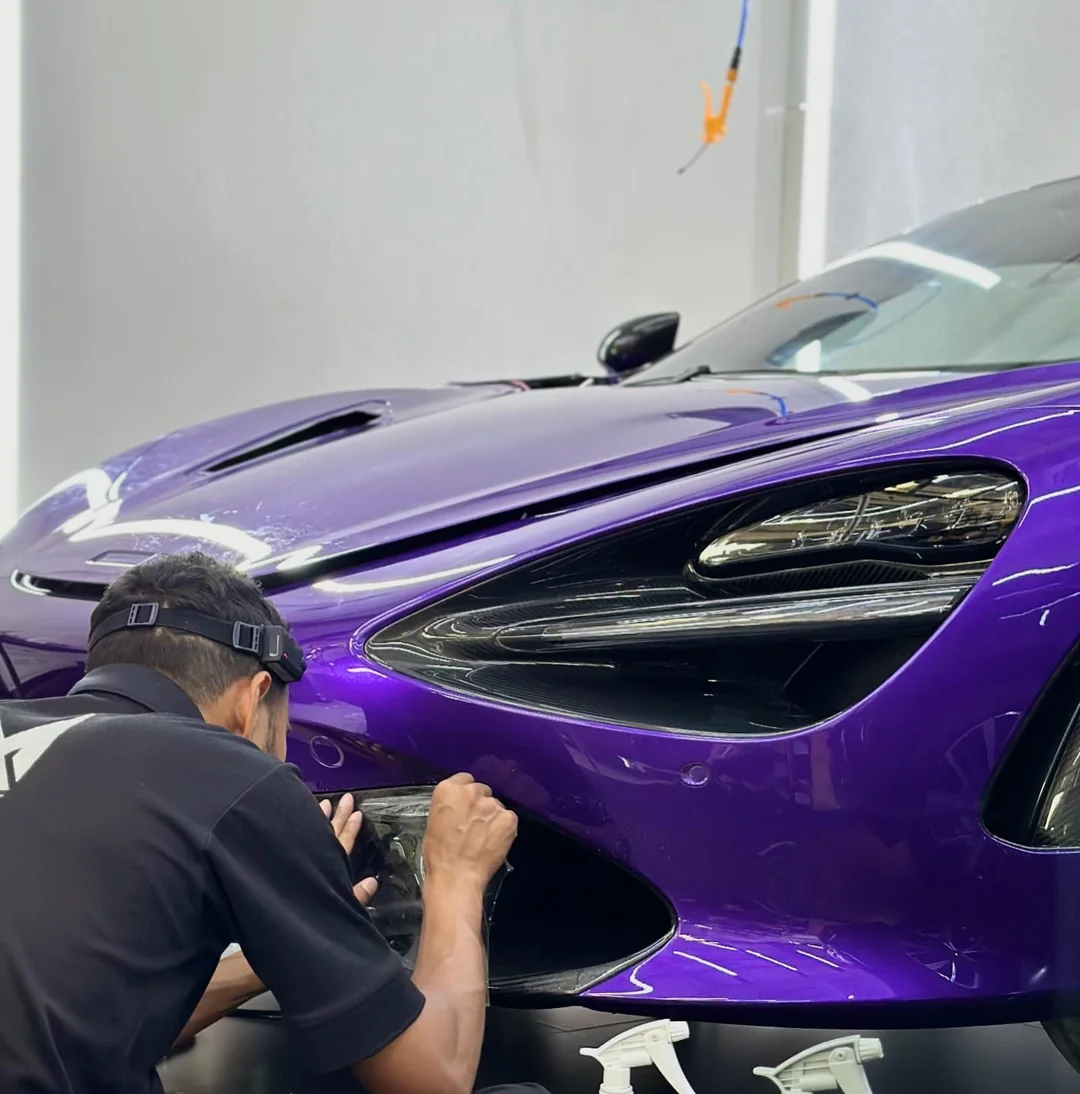
XPEL ULTIMATE FUSION – Hydrophobic Gloss PPF
Warranty: 10-year manufacturer warranty for specified film defects. Additional cover for oxidation, loss of gloss, UV damage and fading runs for four years from initial installation, subject to the applicable terms.
ULTIMATE FUSION combines the protective qualities of ULTIMATE PLUS with an additional hydrophobic top coat.
The hydrophobic surface is designed to encourage water beading and make routine cleaning easier.
This can be useful in Dubai, where dust, road contamination and water spotting are regular maintenance considerations.
Its key characteristics include:
- Clear gloss appearance.
- Hydrophobic surface properties.
- Self-healing behaviour for certain light surface marks.
- Physical protection against everyday road exposure.
- A surface designed to simplify routine maintenance.
It is important to understand that hydrophobic PPF does not make a vehicle self-cleaning. Dust and contamination still accumulate, and proper washing remains necessary.
Who should consider ULTIMATE FUSION?
Owners who want clear gloss PPF with additional water-repellent surface properties may find ULTIMATE FUSION particularly appealing.
XPEL ULTIMATE PLUS 10 – Thicker Construction
Warranty: 10-year manufacturer warranty for specified film defects, subject to the applicable terms.
ULTIMATE PLUS 10 is a thicker film construction within XPEL’s ULTIMATE PLUS range.
XPEL’s published technical data specifies a nominal total thickness of approximately 244 microns (9.60 mil), excluding the release liner.
For comparison, standard ULTIMATE PLUS has a nominal technical thickness of approximately 193 microns (7.60 mil) in the relevant technical specification.
ULTIMATE PLUS 10 uses a substantially thicker polyurethane construction.
The additional material may appeal to owners who prioritise a heavier film construction, particularly on vehicles exposed to demanding road conditions.
However, thickness alone should never determine which film is best.
Flexibility, optical clarity, top-coat properties, adhesive performance, impact resistance and installation quality all contribute to the final result.
A thicker film is not automatically the right choice for every vehicle or every panel.
XPEL STEALTH – Satin Finish PPF
Warranty: 10-year manufacturer warranty, subject to applicable terms.
XPEL STEALTH is a satin-finish paint protection film designed to protect the underlying paint while changing or preserving the vehicle’s appearance.
It can be installed over suitable factory matte finishes or applied to gloss paint to create a more understated satin appearance.
Its main characteristics include:
- Satin visual appearance.
- Physical paint protection.
- Self-healing properties for certain light surface marks.
- A finish designed for matte and satin applications.
STEALTH is particularly interesting for owners who want to transform a gloss-painted vehicle into a satin finish without permanently repainting it.
It can also be used to protect suitable original matte finishes, which require particular care during cleaning and maintenance.
XPEL PPF comparison: Which film is right for your car?
| XPEL Film | Finish | Main Characteristic | Best Suited To |
|---|---|---|---|
| ULTIMATE PLUS | Gloss | Clear protection and original gloss appearance | Conventional gloss protection |
| ULTIMATE FUSION | Gloss | Hydrophobic top coat | Owners prioritising easier maintenance |
| ULTIMATE PLUS 10 | Gloss | Thicker film construction | Owners seeking a heavier film construction |
| STEALTH | Satin | Satin appearance and paint protection | Matte and satin finishes |
The best XPEL PPF is not automatically the thickest or most expensive.
It is the product that matches the vehicle, desired finish, intended use and owner’s priorities.
An important note about film thickness
PPF thickness is usually expressed in mil or microns.
One mil is equal to 25.4 microns.
When comparing film specifications, check whether the manufacturer is quoting total thickness with or without the release liner. The release liner is removed before installation and should not be counted as part of the installed film.
It is also important to distinguish between the total film thickness and the thickness of the polyurethane layer itself.
For a meaningful technical comparison, use the latest product-specific technical data sheets rather than comparing rounded marketing figures.
4. XPEL vs STEK: Which PPF Is Better for Dubai?
XPEL and STEK are two recognised manufacturers in the premium paint protection film market.
Both offer products designed to protect automotive paint, with different constructions, finishes and surface properties.
For customers researching XPEL vs STEK PPF in Dubai, there is no useful universal answer as to which brand is better.
The comparison needs to be made between the specific products being considered.
At Modcare, we work with both manufacturers and recommend a product based on the individual vehicle, the desired finish and the owner’s priorities.
XPEL vs STEK: Product comparison
| Requirement | XPEL | STEK |
|---|---|---|
| Clear gloss PPF | ULTIMATE PLUS | DYNOshield |
| Hydrophobic gloss PPF | ULTIMATE FUSION | DYNOshield |
| Thicker gloss construction | ULTIMATE PLUS 10 | Product-specific comparison required |
| Satin / matte PPF | STEALTH | DYNOmatte |
| Colour PPF | Product-range dependent | Product-range dependent |
| Manufacturer warranty | Product-specific XPEL terms | Product-specific STEK terms |
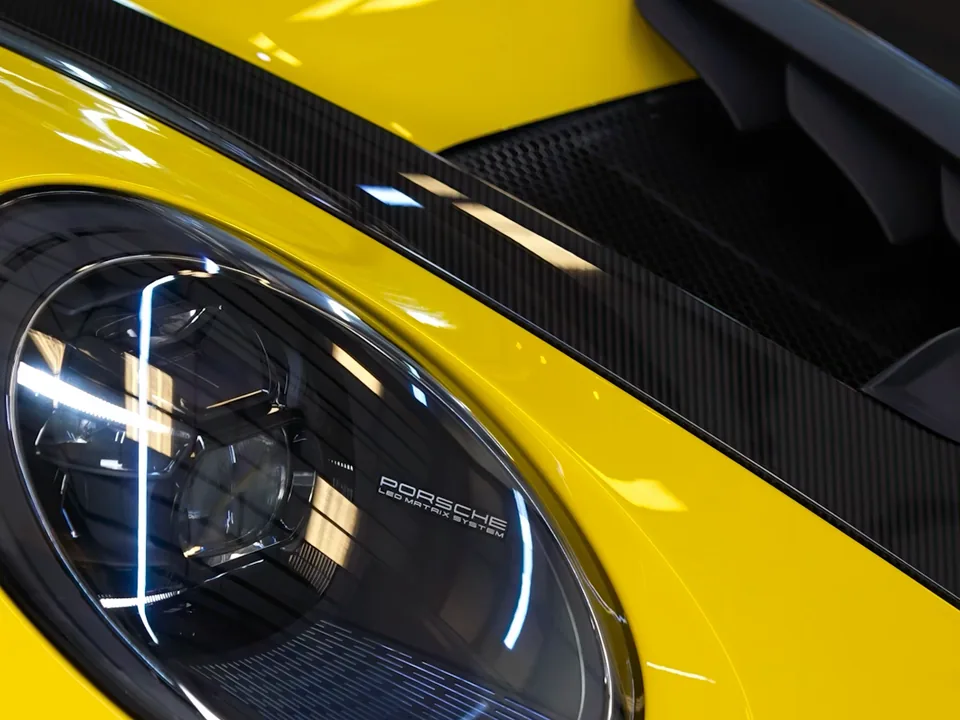
XPEL ULTIMATE PLUS vs STEK DYNOshield
These are two products worth considering for owners who want conventional clear gloss PPF.
Both are designed to provide a protective layer over the original paint while retaining the vehicle’s gloss appearance.
When comparing them, consider:
- TPU construction and impact performance.
- Optical clarity.
- Surface finish.
- Self-healing behaviour.
- Stain and chemical resistance.
- Adhesive performance.
- Manufacturer warranty terms.
- Installer experience with the specific product.
The difference between two films is not necessarily visible from a photograph or a headline thickness specification.
The actual product specifications and the quality of the installation matter.
XPEL STEALTH vs STEK DYNOmatte
For customers interested in matte PPF, the comparison is between XPEL STEALTH and STEK DYNOmatte.
Both are designed for owners who want a satin or matte appearance while protecting the underlying paint.
They can be considered for:
- Protecting suitable factory matte paint.
- Transforming gloss paint into a satin appearance.
- Creating a more understated exterior finish.
- Protecting high-value vehicles without permanently changing the original paint.
The finish is particularly important when covering an entire vehicle.
Differences in sheen, texture, optical consistency and the way light reflects across individual panels can influence the final result.
The installer should also be experienced in working with matte and satin films, as maintenance and finishing requirements differ from conventional gloss PPF.
What about film thickness?
Thickness is frequently used as a selling point in PPF comparisons, but it should not be considered in isolation.
A product’s total thickness may include:
- The polyurethane layer.
- The adhesive.
- The protective top coat.
Some technical specifications also distinguish between measurements with and without the release liner.
A comparison that simply states one brand is thicker than another can therefore be misleading.
At Modcare, we believe product selection should consider the complete film construction, surface performance, flexibility and suitability for the vehicle.
Which brand does Modcare recommend?
We particularly recommend considering STEK DYNOshield for clear gloss applications and DYNOmatte for matte applications.
However, this is not a blanket recommendation for every vehicle.
XPEL ULTIMATE PLUS, ULTIMATE FUSION, ULTIMATE PLUS 10 and STEALTH each have their own advantages.
The correct recommendation depends on what the owner wants to achieve.
Our advice is to compare the exact products, not just the manufacturers.
5. Bespoke Hand-Cut PPF vs Computer-Cut PPF
The method used to prepare and fit paint protection film has a significant influence on the final result.
Two commonly discussed approaches are computer-cut pattern installation and bespoke hand-tailored installation.
Neither method automatically guarantees a superior result. The skill, experience and judgement of the installer remain essential.
What is computer-cut PPF?
Computer-cut PPF uses digital vehicle-specific patterns to prepare the film.
A software system contains templates designed around particular vehicle makes, models and panel configurations.
The installer selects the appropriate pattern, which is then cut using a plotter before the film is applied.
The advantages include:
- Repeatable pattern preparation.
- Consistent sizing.
- Reduced need for trimming directly on the vehicle.
- Efficient preparation for common vehicle models.
- Predictable coverage based on the selected template.
However, a digital pattern is still a template.
Model-year differences, optional bodywork, aftermarket components and variations in vehicle specifications can affect how accurately a pattern fits a particular car.
A pattern may also leave exposed edges where the design does not allow the film to extend further.
What is bespoke hand-cut PPF?
Bespoke hand-cut installation takes a more individual approach.
Rather than relying solely on a pre-designed pattern, the installer measures, shapes and prepares the film to suit the actual vehicle.
The application is tailored around the vehicle’s individual contours, panel transitions, corners and body details.
At Modcare, our bespoke process prioritises hand-tailored fitting and preparation away from the vehicle’s painted surfaces.
Film is measured and shaped, with cutting and trimming carried out on dedicated tempered-glass surfaces within our facility.
No cutting blade touches the vehicle’s painted surface.
The objective is to achieve maximum practical coverage while maintaining a clean, discreet finish.
Why does a bespoke fit matter?
Not every vehicle is identical to the pattern used to prepare it.
Differences can arise from:
- Model-year changes.
- Optional exterior packages.
- Aftermarket body kits.
- Modified bumpers and splitters.
- Complex body contours.
- Deep recesses and panel transitions.
- Different trim and sensor configurations.
A bespoke approach allows the installer to consider the actual vehicle rather than treating the digital template as the final authority.
Which method produces a better finish?
A computer-cut installation can be extremely precise when the pattern is correct and the installer is experienced.
A hand-tailored installation can provide additional flexibility when maximising coverage, wrapping edges and adapting to individual vehicle details.
The important distinction is not simply whether the film is computer-cut or hand-cut.
It is whether the installer can deliver:
- Accurate panel coverage.
- Correct material tension.
- Clean edges.
- Consistent corners.
- Minimal visible seams.
- Proper adhesion.
- A refined final appearance.
At Modcare, we have chosen to centre our approach around bespoke hand application because we believe the individual vehicle deserves that level of attention.
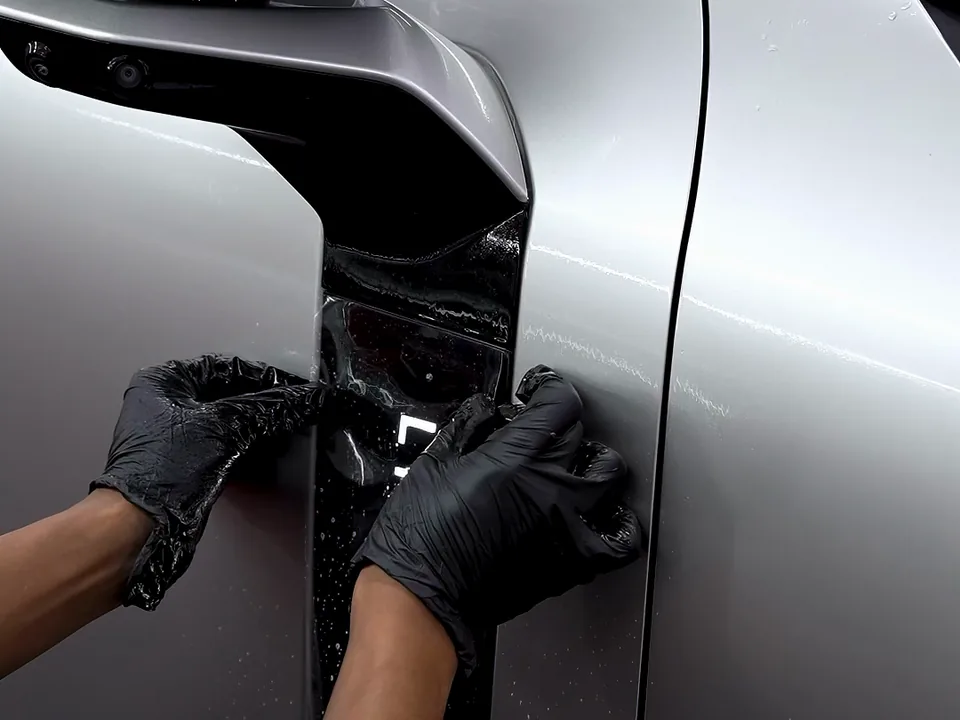
6. Why Do PPF Edges, Corners and Seams Matter?
Edges and corners are among the clearest indicators of PPF installation quality.
A vehicle may look excellent from several metres away, but the details become more apparent when the installation is examined closely.
When film stops short of a panel edge, its termination may remain visible.
Exposed edges can also collect dirt and may become vulnerable to lifting if disturbed or subjected to inappropriate cleaning.
Where the panel design and material allowance permit, folding film around an edge can conceal the termination and create a more integrated appearance.
What is edge wrapping?
Edge wrapping is the process of extending the film around a suitable panel edge rather than stopping directly at its visible boundary.
This can help:
- Conceal film termination lines.
- Reduce visible edges.
- Improve the overall appearance.
- Increase practical coverage.
- Create a more discreet installation.
Can every PPF edge be wrapped?
No.
Certain panel shapes, recesses, trim interfaces and complex corners do not safely allow wrapping.
Attempting to stretch film beyond its appropriate working limits can create excessive tension, affecting adhesion and long-term performance.
A professional installer should know when wrapping is appropriate and when a carefully finished exposed edge is the better technical choice.
Why are visible seams important?
Seams occur where separate sections of film meet or overlap.
They may be necessary in certain complex areas, depending on the panel design and installation method.
However, unnecessary seams can interrupt the appearance of the vehicle and make the installation more noticeable.
Careful planning can reduce unnecessary joins and create a more consistent result across adjacent panels.
Modcare’s approach to edges and corners
At Modcare, our bespoke application process is designed to maximise practical coverage, fold film around panel edges and minimise exposed corners and visible seams wherever the vehicle’s construction allows.
Our objective is an installation that remains as visually discreet as possible.
The film should protect the paint without drawing unnecessary attention to itself.
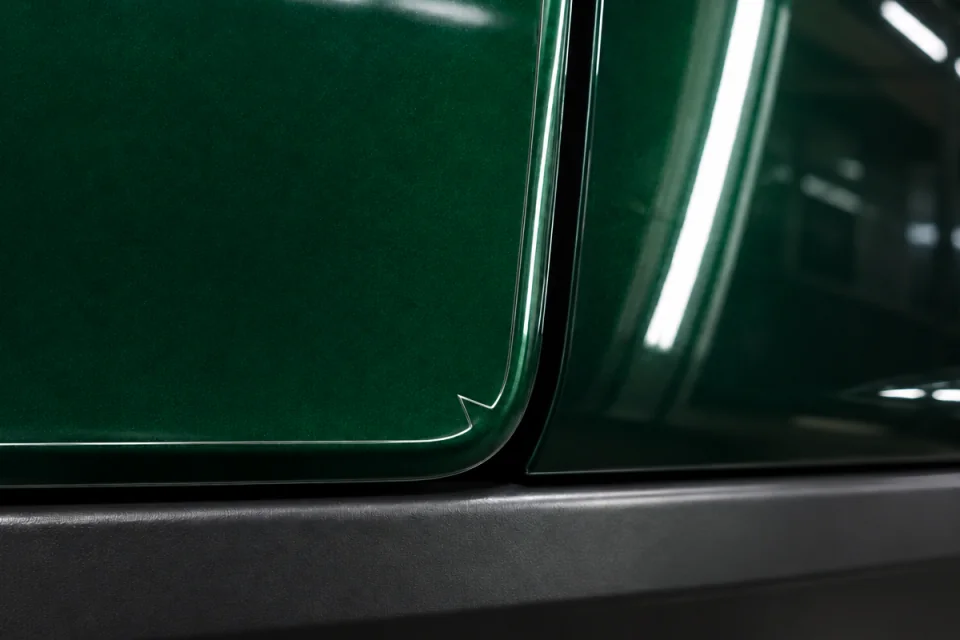 Pre-cut template
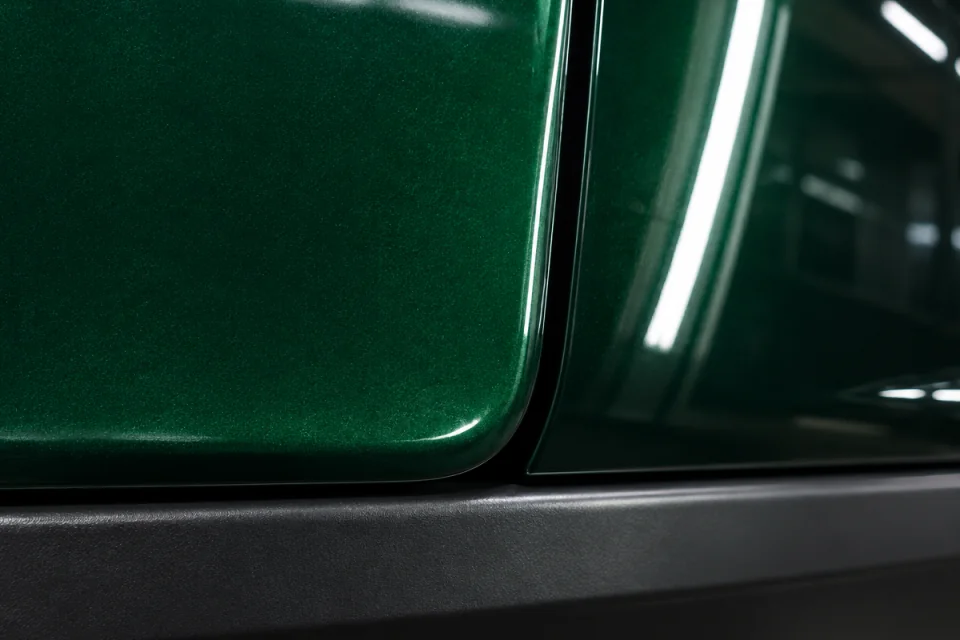 Modcare bespoke PPF
7. Does PPF Installation Involve Cutting on Paint or Removing Vehicle Components?
These are two important questions to ask before choosing a PPF installer.
Does a blade touch the vehicle’s paint?
At Modcare, no cutting blade touches the painted surface.
Film is measured, shaped and prepared away from the vehicle on dedicated tempered-glass cutting surfaces.
The prepared material is then applied and tailored to the panel.
This approach is intended to avoid blade marks and cut-through damage to the original finish.
It is worth asking every prospective installer how film is measured, prepared and trimmed, particularly around complex bodywork and exposed panel edges.
Does PPF installation require removing vehicle components?
Modern vehicles contain increasingly complex assemblies, including sensors, cameras, wiring, lighting systems and integrated trim.
Unnecessary removal of components can introduce additional risks, including broken clips, damaged connectors, alignment issues and additional reassembly work.
At Modcare, our installation philosophy prioritises minimal intervention.
We avoid unnecessary removal of major vehicle components and tailor the application method to achieve the best possible finish while respecting the vehicle’s original construction.
Certain applications may require access considerations, depending on the vehicle and the selected coverage.
The important thing is that removal should be considered carefully rather than treated as an automatic step.
Why should you ask about component removal?
A high-quality PPF installation should balance coverage with the integrity of the vehicle.
More disassembly does not automatically mean a better result.
Likewise, avoiding every component removal at all costs should not compromise the quality or safety of the application.
The installer should be able to explain how difficult areas will be approached and why a particular method has been selected.
8. The Modcare Bespoke PPF Installation Process
A premium PPF installation starts well before the first section of film is applied.
At Modcare, a typical bespoke exterior PPF installation takes approximately 4–5 working days, depending on the vehicle’s complexity and starting condition.
This timeframe allows us to tailor preparation, carry out paint correction where required, hand-apply the film, maximise coverage and carefully finish edges and corners.
We do not approach every vehicle as though it were identical.
A new vehicle with excellent paintwork may require a different level of preparation from a used vehicle with existing scratches, previous repairs or environmental contamination.
Step 1: Vehicle receiving and inspection
Every installation begins with an assessment of the vehicle.
We inspect:
- Existing paint condition.
- Stone chips and scratches.
- Swirl marks and surface defects.
- Previous paintwork and repairs.
- Existing coatings or protective films.
- Body modifications and aftermarket components.
- Areas requiring particular attention.
This establishes the vehicle’s starting condition and helps determine the appropriate preparation and coverage.
Step 2: Washing and decontamination
The vehicle is thoroughly cleaned to remove dirt, dust and surface contamination.
Proper preparation is essential because particles trapped beneath the film can affect the final appearance.
The aim is to provide a clean surface suitable for the selected film and installation method.
Step 3: Paint depth assessment and bespoke correction
Transparent PPF does not conceal defects already present in the paint.
Existing scratches, swirl marks, oxidation and other imperfections may remain visible after installation.
Where necessary, paint correction should be completed before the film is applied.
However, polishing should never be treated as an identical process for every vehicle.
At Modcare, we carry out a bespoke paint depth assessment before polishing.
This helps us understand the existing paint thickness and tailor the correction process to the vehicle’s condition.
The objective is to achieve the desired finish while avoiding unnecessary removal of clear coat.
Preserving the integrity of the paint is particularly important when considering the vehicle’s long-term ownership and the possibility of future film removal.
Step 4: Bespoke film measurement and preparation
The film is measured, shaped and prepared to suit the vehicle and selected coverage.
Our hand-tailored process takes into account panel contours, body lines, recesses, corners and edges.
Film preparation and cutting are carried out away from the vehicle’s painted surfaces on dedicated tempered-glass cutting surfaces.
No cutting blade touches the paintwork.
Step 5: Hand-applied film installation
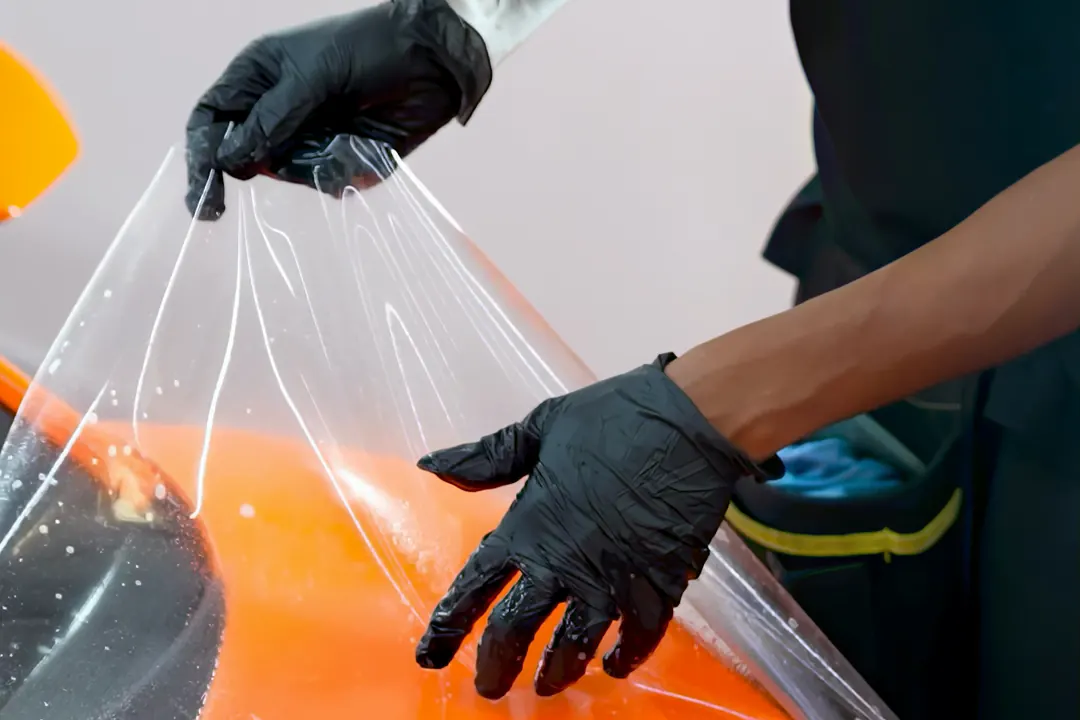
The film is carefully positioned and applied panel by panel.
Particular attention is given to:
- Alignment.
- Material tension.
- Complex curves.
- Recesses and body lines.
- Panel transitions.
- Adhesion and positioning.
- Consistency between adjacent sections.
The film should follow the vehicle’s contours without unnecessary tension or visible distortion.
Step 6: Edge and corner finishing
Edges, corners and seams receive particular attention.
Where appropriate, the film is folded around panel edges to conceal terminations and maximise practical coverage.
We aim to minimise exposed corners and visible seams wherever the vehicle’s construction allows.
This is an important part of achieving the discreet finish associated with a bespoke installation.
Step 7: Dedicated quality-control inspection and handover
Before the vehicle leaves Modcare, it undergoes a final quality-control inspection.
We have a dedicated QC inspector on site whose responsibility is to check completed vehicles before handover.
The inspection considers:
- Film alignment.
- Trapped contamination.
- Bubbles and moisture.
- Lifting edges.
- Stretch marks.
- Visible seams and cut lines.
- Consistency between adjacent panels.
- Overall appearance and finish.
Any relevant installation or manufacturer warranty documentation is provided alongside aftercare instructions.
Why does Modcare take 4–5 working days?
Our installation timeframe reflects the nature of the work.
Bespoke hand application requires careful preparation, measurement, fitting and finishing.
The additional time allows us to tailor paint correction to the vehicle, maximise practical coverage and pay particular attention to edges, corners and other details that influence the finished appearance.
We believe the installation deserves the time required to achieve a refined result.
9. Full-Body PPF vs Full-Front PPF: Which Coverage Should You Choose?
The appropriate PPF coverage depends on how the vehicle is used, how long you intend to keep it and which areas you want to protect.
There is no single package that is right for every owner.
Full-body PPF
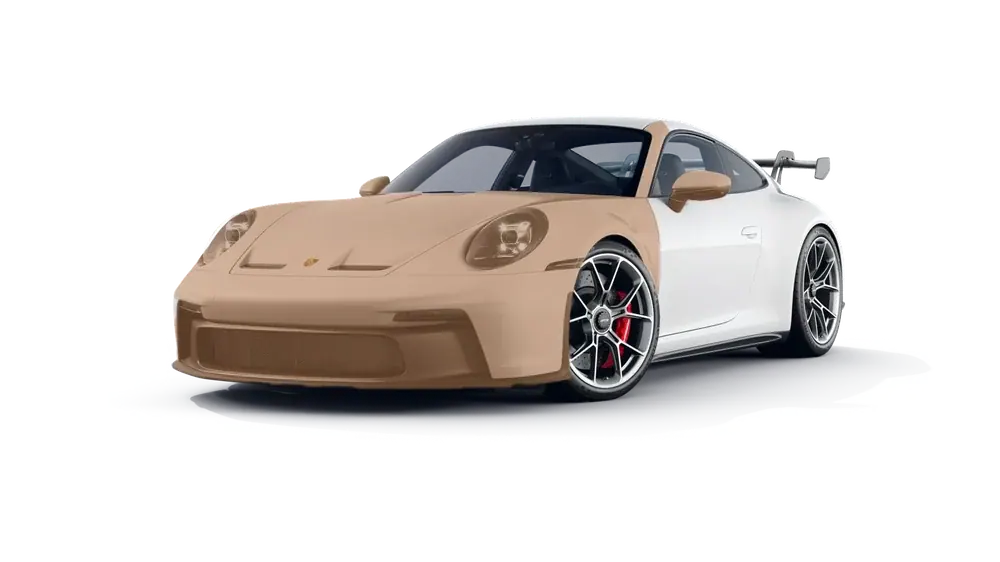 Full-front PPF
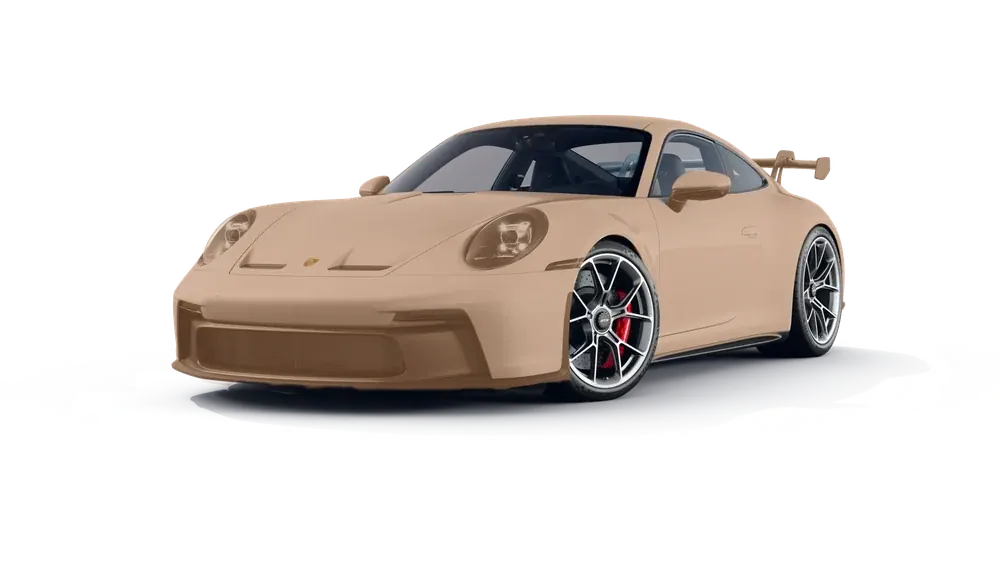 Full-body PPF
 covers the vehicle’s painted exterior panels.
It is particularly suitable for:
- New luxury and performance vehicles.
- Supercars and high-value vehicles.
- Cars with expensive or specialist paint finishes.
- Owners who want consistent exterior protection.
- Vehicles intended to be kept for several years.
- Owners who prioritise preserving original factory paint.
Full-body protection also avoids leaving large sections of the vehicle exposed while other panels are protected.
It is the most comprehensive exterior coverage option.
Full-front PPF
Full-front PPF concentrates protection on areas most exposed to road debris.
Typical coverage includes:
- Front bumper.
- Full bonnet.
- Front wings.
- Wing mirrors.
- Headlights.
- A-pillars and roof edge, depending on the selected package.
It is a practical option for owners who prioritise front-end impact protection without protecting the entire exterior.
However, side panels, rear arches and other uncovered surfaces remain exposed.
Individual panel PPF
Individual panels can be protected according to the vehicle and owner’s requirements.
Common examples include:
- Door edges.
- Door handle cups.
- Side skirts and sills.
- Rear bumper loading areas.
- Mirror housings.
- Selected exterior trim.
This can be useful when protecting vulnerable areas or adding coverage to an existing installation.
Which coverage offers the best value?
For a new luxury or performance vehicle intended for long-term ownership, full-body PPF provides the broadest protection.
Full-front PPF can be a sensible alternative for owners with a more limited budget or a vehicle that sees relatively little highway use.
The important thing is to understand exactly which panels are included and excluded before approving a quotation.
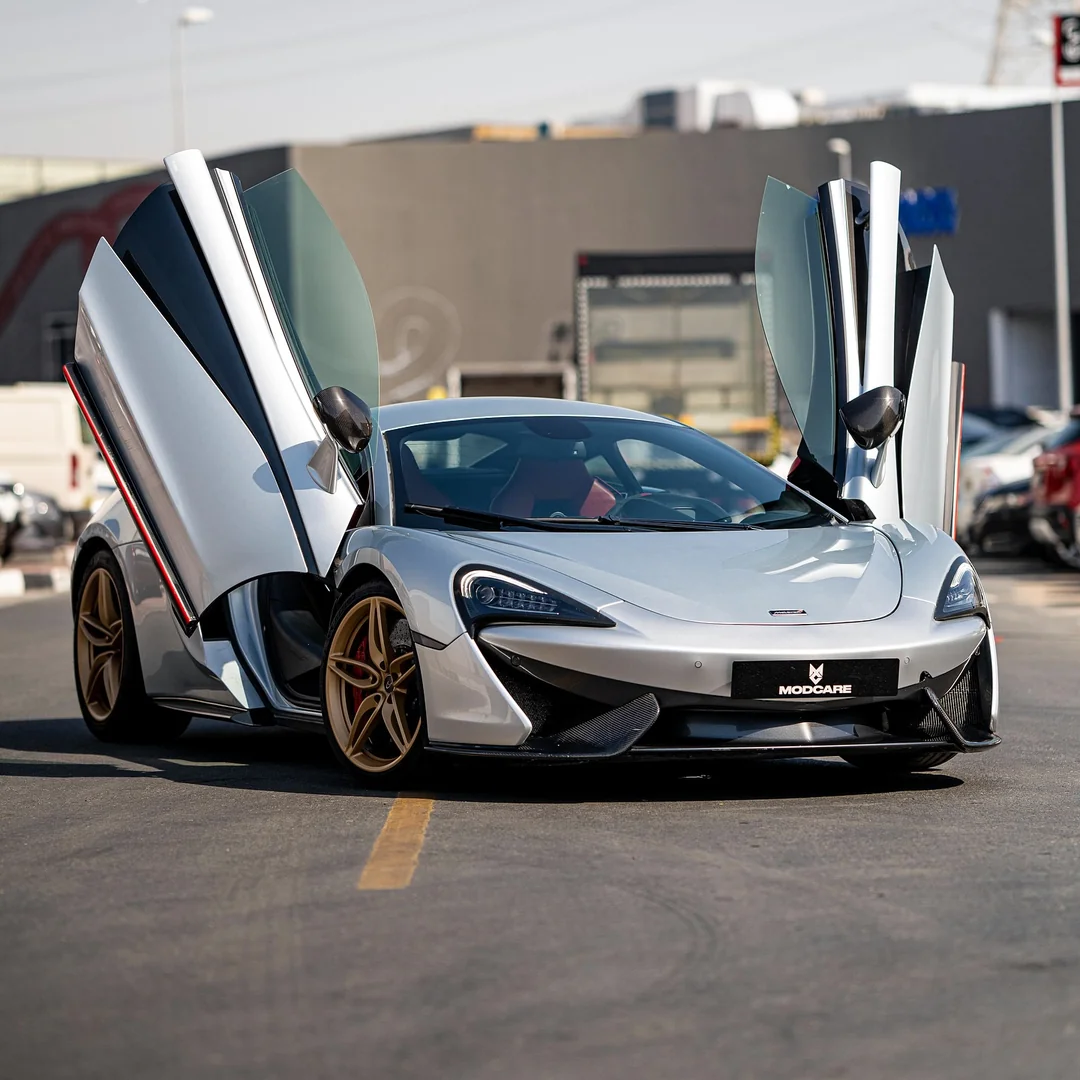
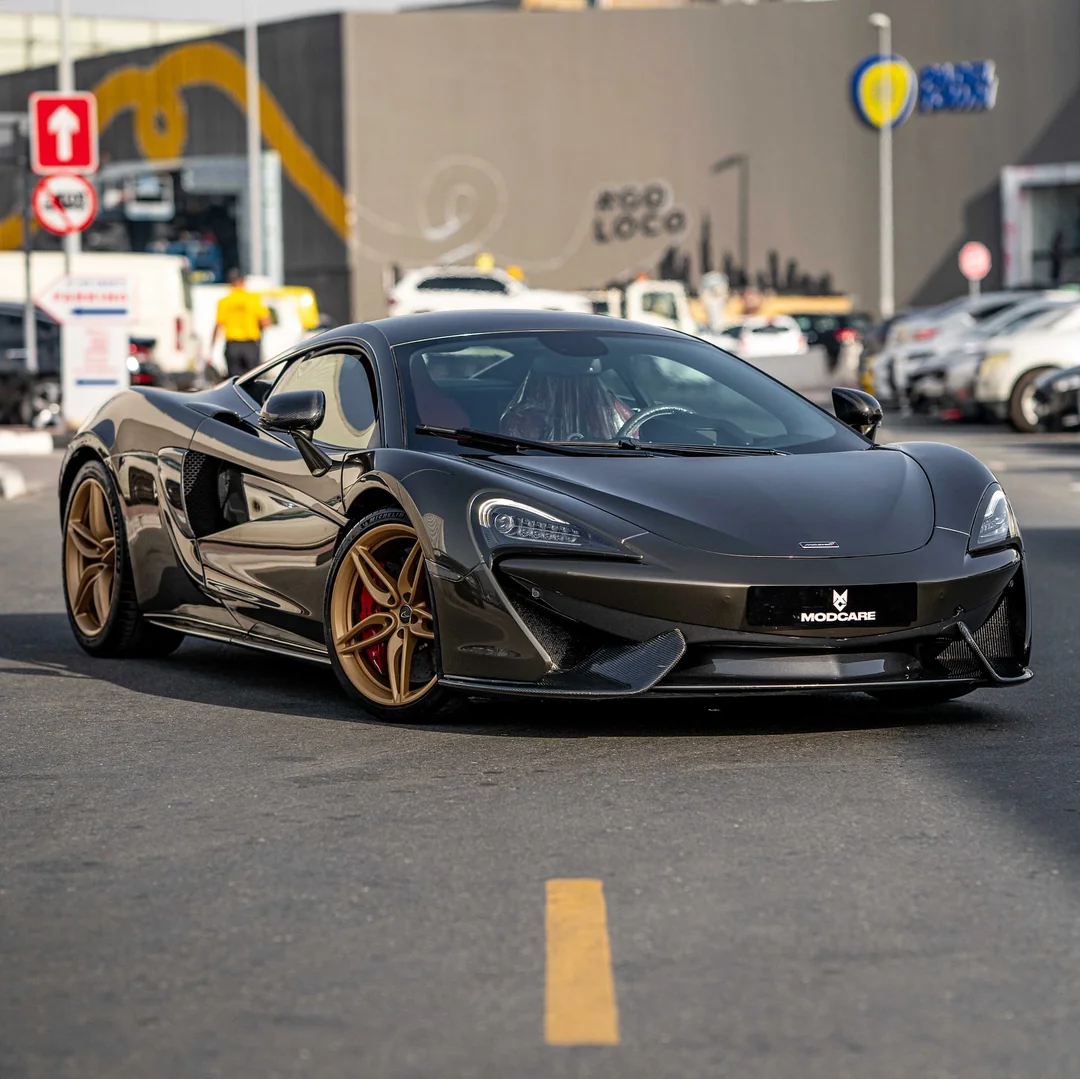
10. Colour PPF: Changing Your Vehicle’s Appearance While Protecting Its Paint
Colour PPF combines the appearance of a colour change with the protective function of paint protection film.
It allows owners to change the visual character of their vehicle while placing a protective film over the original paint.
Unlike a conventional vinyl colour-change wrap, colour PPF is designed as a protective film product.
This makes it an interesting option for owners who want a new appearance without permanently repainting the vehicle.
What should you consider before choosing colour PPF?
Important considerations include:
- Available colours and finishes.
- Appearance under sunlight and artificial lighting.
- Colour consistency between panels.
- Film construction and technical specifications.
- Manufacturer warranty.
- Coverage and edge finishing.
- Maintenance requirements.
The quality of the installation is particularly important when changing the vehicle’s appearance.
Inconsistent panel alignment or differences in finish can become more noticeable when the entire exterior is covered.
Colour PPF at Modcare
Colour PPF at Modcare starts from AED 13,500, excluding VAT.
This starting price covers exterior coverage only. Door jambs and boot coverage are excluded and can be discussed separately.
The final quotation depends on the selected colour film, vehicle and coverage requirements.
11. Matte and Satin PPF: Protecting or Transforming Your Vehicle’s Finish
Matte and satin PPF are popular with owners who want a more understated exterior appearance.
There are two common applications.
The first is protecting an original factory matte finish.
The second is transforming a gloss-painted vehicle into a matte or satin appearance without permanently changing the underlying paint.
Protecting factory matte paint
Factory matte paint requires particular care.
Unlike conventional gloss paint, matte finishes cannot simply be polished to remove imperfections without potentially changing the surface appearance.
A suitable matte PPF provides a protective layer while retaining the intended visual character of the finish.
Transforming gloss paint into satin
Satin PPF can change the way light reflects from a gloss-painted surface.
The result is a more subdued appearance without permanently repainting the vehicle.
XPEL STEALTH and STEK DYNOmatte are two products worth considering for this type of application.
The final appearance depends on the original paint colour, film characteristics and installation quality.
Is matte PPF difficult to maintain?
Matte and satin films require appropriate cleaning products and techniques.
Abrasive polishing and unsuitable detailing products can alter the finish.
Owners should follow the manufacturer’s maintenance recommendations and use products appropriate for matte or satin surfaces.
Matte PPF at Modcare
Full-body matte PPF at Modcare starts from AED 12,000, excluding VAT.
The final product and coverage should be selected according to the vehicle’s existing finish and the owner’s desired appearance.
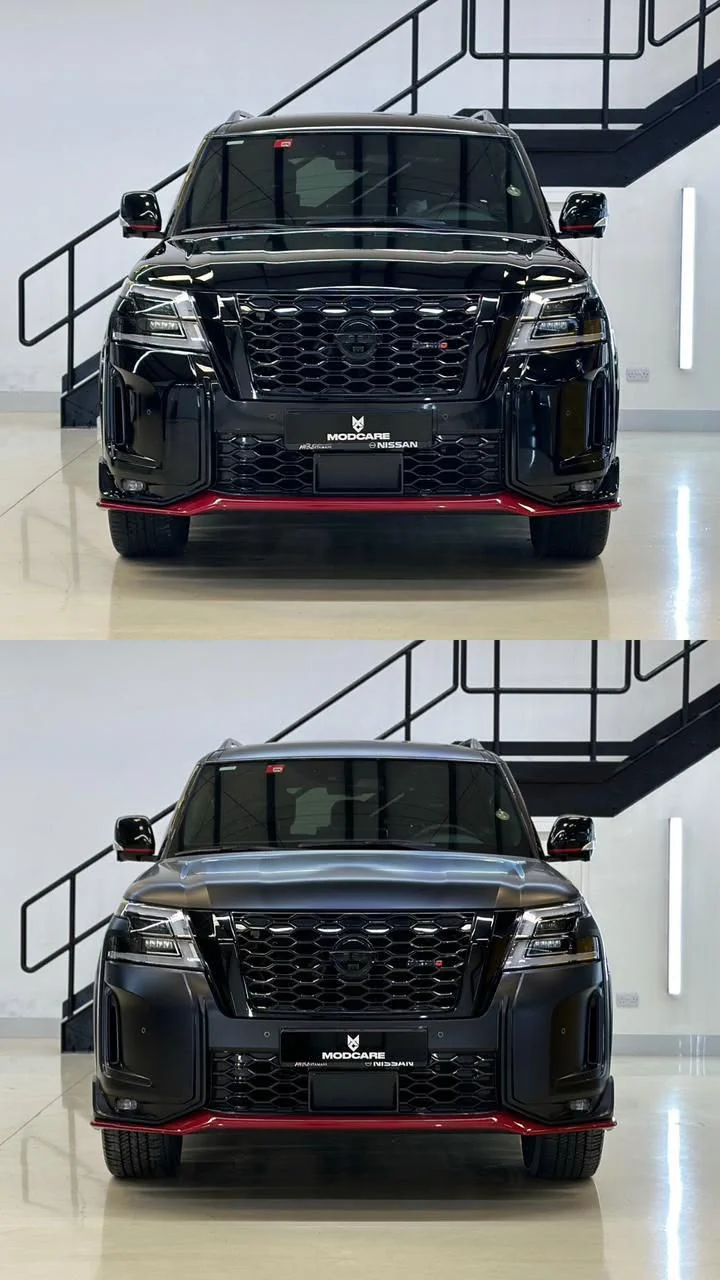
12. Interior PPF: Protecting Piano Black, Carbon Fibre, Screens and More
Exterior PPF is only part of the picture.
Modern luxury vehicle interiors often contain delicate surfaces that can show scratches and wear surprisingly quickly.
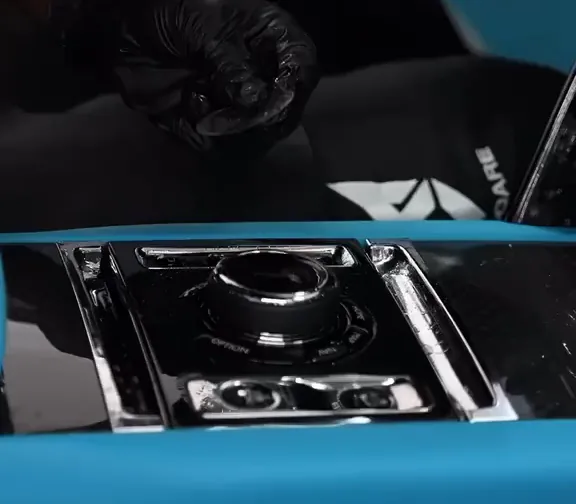
Piano black trim is particularly susceptible to fine surface marks. Glossy centre consoles, infotainment screens and high-contact control surfaces can also accumulate scratches through everyday use.
Interior PPF creates a transparent protective layer over suitable surfaces.
Which interior surfaces can be protected?
Depending on the vehicle and selected coverage, interior PPF may be suitable for:
- Piano black interior trims.
- Carbon fibre trims.
- Centre console surfaces.
- Infotainment screens.
- Instrument cluster displays.
- Glossy dashboard inserts.
- Selected high-contact control surfaces.
- Other compatible interior components.
Not every surface is suitable for every type of film.
Textured materials, certain screen coatings, flexible surfaces and complex components should be assessed before installation.
Why protect piano black trim?
Piano black surfaces can develop fine scratches through ordinary contact, cleaning and handling.
These imperfections are particularly visible under direct sunlight and interior lighting.
Interior PPF provides an additional protective layer that can help reduce direct contact with the original surface.
Is interior PPF worth it?
For owners of luxury vehicles with extensive piano black, carbon fibre or glossy interior detailing, interior PPF can be a worthwhile addition.
It is especially useful for protecting high-contact areas that are otherwise difficult to maintain in pristine condition.
Interior PPF pricing in Dubai
Interior PPF at Modcare starts from AED 1,700, excluding VAT.
The final price depends on:
- Vehicle make and model.
- Number of surfaces.
- Type of interior material.
- Selected coverage.
- Complexity of the installation.
13. How Much Does PPF Cost in Dubai?
PPF prices in Dubai vary considerably depending on the manufacturer, product, coverage, vehicle condition and installation method.
A quotation for a basic front-end installation is not directly comparable to a quotation for complete bespoke exterior coverage.
Likewise, two full-body PPF quotations may differ significantly in the products and work included.
Modcare PPF starting prices
| Service | Starting Price |
|---|---|
| Full-body clear PPF | AED 12,000 |
| Full-body matte PPF | AED 12,000 |
| Colour exterior PPF | AED 13,500 |
| Interior PPF | AED 1,700 |
All prices are exclusive of 5% VAT.
Clear and matte full-body PPF start at AED 12,000 regardless of vehicle type.
Colour PPF starts at AED 13,500 for exterior coverage only, excluding door jambs and boot coverage.
Interior PPF starts at AED 1,700, depending on the selected surfaces and complexity.
What affects the final PPF quotation?
1. Film selection
Different product lines have different technical specifications, finishes and material costs.
XPEL ULTIMATE PLUS, ULTIMATE FUSION, ULTIMATE PLUS 10, STEALTH, STEK DYNOshield and DYNOmatte are not interchangeable products.
2. Coverage
Full-body, full-front, individual panel and interior protection involve different amounts of material and installation work.
3. Vehicle complexity
Some vehicles have complex bumpers, deep recesses, intricate curves and difficult edges that require additional fitting and finishing work.
Supercars and vehicles with complex aerodynamic bodywork may require additional preparation and attention.
4. Paint condition
Existing scratches, contamination, previous repairs and other defects may require additional preparation before film can be applied.
5. Additional protection
Door jambs, boot areas, interior surfaces, headlights and selected trim may be quoted separately.
What should a PPF quotation include?
Before approving an installation, make sure the quotation identifies:
- Exact film manufacturer and product.
- Finish being installed.
- Panels and surfaces included.
- Any excluded areas.
- Paint preparation or correction requirements.
- Installation and finishing approach.
- Manufacturer warranty terms.
- Workmanship coverage.
- Expected completion time.
- Aftercare instructions.
A low headline price does not necessarily represent better value.
The important thing is to compare the actual film, coverage, preparation and workmanship being offered.
14. PPF vs Ceramic Coating: Which Should You Choose?
PPF and ceramic coating are designed to perform different functions.
Although both can help maintain a vehicle’s appearance, they should not be considered direct substitutes.
Paint protection film
PPF is a physical film applied over the surface of the vehicle.
It is designed to help absorb and resist impacts and abrasion before they reach the paint.
Its main purpose is physical protection against everyday hazards such as small stones and road debris.
Ceramic coating
Ceramic coating is a liquid-applied surface treatment that bonds to paint or a compatible film.
It can improve water behaviour, make cleaning easier and provide resistance to certain types of contamination.
However, it does not provide the same physical impact barrier as PPF.
Can you combine PPF and ceramic coating?
Yes.
Compatible ceramic coatings can be applied over many PPF products, subject to the relevant manufacturers’ instructions and warranty conditions.
For owners who want physical protection alongside easier maintenance, combining PPF with an appropriate coating can be a useful approach.
Compatibility should always be confirmed for the specific film before application.
XPEL’s published warranty exclusions include the use of non-XPEL-branded ceramic coatings. Confirm the coating choice and applicable warranty conditions before application.
Which should you choose?
If your priority is protection against stone chips, road debris and light abrasion, PPF is the more appropriate choice.
If your priority is improving water behaviour and simplifying routine maintenance, ceramic coating can be useful.
For owners who want both, the two can complement one another.
15. How Long Does PPF Last in Dubai?
The lifespan of PPF depends on the product, installation quality, environmental exposure, vehicle use and maintenance.
Premium automotive films are engineered for long-term exterior use, but no film remains in perfect condition indefinitely.
Sunlight, heat, road contamination, washing habits and the way the vehicle is stored can all influence the film’s appearance and performance over time.
A manufacturer warranty should not be confused with a guaranteed lifespan.
Warranty duration describes the period and conditions under which specified defects may be covered. It does not mean the film will remain free of every type of damage throughout that period.
How can you extend the life of PPF?
Correct aftercare is important.
We recommend:
- Rinsing accumulated sand and dust away before contact washing.
- Using suitable car shampoo and clean wash media.
- Avoiding aggressive chemicals and abrasive cleaning methods.
- Removing bird droppings and insect residue promptly.
- Keeping high-pressure water away from film edges.
- Avoiding inappropriate polishing on matte or satin film.
- Having lifting or damaged areas inspected rather than pulling at them.
- Following the film manufacturer’s initial aftercare instructions.
The exact maintenance requirements should always be confirmed for the film installed.
16. What Does the XPEL PPF Warranty Cover?
XPEL products supplied by Modcare carry a 10-year manufacturer warranty for the applicable products, subject to the manufacturer’s terms and conditions.
The manufacturer warranty is designed to cover specified defects in the film itself.
Depending on the product and applicable warranty terms, covered defects may include:
- Yellowing.
- Cracking.
- Blistering.
- Delamination.
For ULTIMATE FUSION, XPEL also lists cover for oxidation, loss of gloss, UV damage and fading for four years from initial installation. The exact coverage, exclusions and requirements should be checked against the relevant product documentation.
Does the XPEL warranty cover stone chips?
The manufacturer warranty should not be confused with protection against external physical damage.
A stone chip or severe impact is not automatically a manufacturing defect.
PPF is designed to take much of the impact that would otherwise reach the paint, but the film itself can become damaged in the process.
What should you confirm before installation?
Before proceeding, establish:
- The exact XPEL product.
- The applicable manufacturer warranty.
- The defects covered.
- Exclusions and maintenance requirements.
- Any registration requirements.
- The documentation supplied after installation.
- How a qualifying warranty claim is handled.
Manufacturer warranty vs workmanship warranty
These are two separate forms of coverage.
The manufacturer warranty relates to qualifying defects in the film.
The installer workmanship warranty relates to the quality of the installation work and its applicable conditions.
Modcare also provides an open-ended workmanship warranty covering the installation. This sits alongside the selected film’s manufacturer warranty, with the coverage explained before installation.
17. How to Choose the Best PPF Installer in Dubai
Choosing the right film is only part of the decision.
The installer determines how carefully the vehicle is prepared, how the film is fitted and how the final result looks.
When comparing PPF installers in Dubai, there are several important questions worth asking.
1. Ask for the exact film product
Do not settle for a manufacturer name alone.
Ask whether the quotation includes XPEL ULTIMATE PLUS, ULTIMATE FUSION, ULTIMATE PLUS 10, STEALTH, STEK DYNOshield, DYNOmatte or another specific product.
Different films have different constructions and characteristics.
2. Inspect real installations
Look closely at:
- Bumper corners.
- Bonnet edges.
- Door edges.
- Mirror housings.
- Complex bodywork.
- Recesses.
- Panel transitions.
These areas reveal considerably more about installation quality than a photograph of a large, flat bonnet.
Ask to see completed vehicles and inspect the finish at close range.
3. Ask how the film is cut
Understand whether the workshop uses digital patterns, hand-cut fitting or a combination of methods.
Ask how the installer prevents cutting blades from damaging the paint.
4. Ask about component removal
Find out whether vehicle components are removed and why.
Removing parts can sometimes be appropriate, but unnecessary disassembly should be avoided.
5. Understand the paint preparation process
The vehicle should be properly cleaned and inspected before film installation.
Existing defects should be identified, and any paint correction required should be discussed before work begins.
Ask whether paint depth is measured before polishing.
6. Check edges, corners and seams
Ask how exposed edges are handled and where wrapping is possible.
A clean, discreet finish should be part of the installation plan rather than an afterthought.
7. Compare the complete quotation
Make sure the film, coverage, preparation, exclusions, warranty and aftercare are clear.
Do not compare workshops based on price alone.
A professional installer should be able to explain the work being carried out and why a particular approach is appropriate for your vehicle.
18. Why Choose Modcare for Bespoke PPF in Dubai?
At Modcare, we believe the quality of a PPF installation is found in the details.
The objective is not simply to cover the vehicle’s painted panels. It is to protect the original finish while keeping the installation as discreet and integrated as possible.
Our approach centres on bespoke hand application, careful preparation and a considered finishing process.
Bespoke hand-tailored installation
We focus on fitting film to the individual vehicle, taking into account its contours, edges, corners, recesses and body details.
Rather than relying solely on standardised patterns, our application process is tailored to the vehicle itself.
No blades on painted surfaces
No cutting blade touches the painted surface.
Film is measured, shaped and prepared away from the vehicle on dedicated tempered-glass cutting surfaces before being applied.
Minimal intervention with original components
We take a non-intrusive approach and avoid unnecessary removal of major vehicle components.
Our objective is to achieve a refined finish while respecting the vehicle’s original construction.
Discreet edges and corners
Our bespoke application process is designed to maximise practical coverage, fold film around panel edges and minimise exposed corners and visible seams wherever the vehicle’s construction allows.
Premium film options
We work with premium film options, including XPEL and STEK.
The appropriate product depends on the vehicle, intended finish and the owner’s requirements.
Tailored paint correction and preparation
Every vehicle receives an assessment before preparation.
We carry out paint depth checks before polishing and tailor the correction process to the condition of the original finish.
We believe paint correction should never be treated as a standard process that is identical for every car.
Dedicated quality control
Every completed vehicle undergoes a final inspection by our dedicated QC inspector.
We check the film’s appearance, alignment, edges, corners and overall finish before handover.
A considered installation timeframe
A typical bespoke exterior PPF installation takes approximately 4–5 working days.
This allows us to prepare the paint according to the vehicle’s condition, hand-apply the film, maximise practical coverage and carefully finish the details.
More than exterior protection
Our coverage options extend beyond clear gloss PPF.
We also offer matte and colour finishes, individual panel protection, windshield protection and interior PPF for suitable trims and screens.
Modcare is a premium car-care boutique in Al Quoz, Dubai, specialising in bespoke paint protection and vehicle care.
For owners who value their vehicle’s original finish, we believe the installation should receive the same consideration as the film itself.
Frequently Asked Questions About XPEL PPF and Paint Protection Film in Dubai
How much does XPEL PPF cost in Dubai?
The cost depends on the selected product, finish, coverage and installation requirements. At Modcare, clear and matte full-body PPF start from AED 12,000, colour exterior PPF starts from AED 13,500, and interior PPF starts from AED 1,700. All prices are exclusive of 5% VAT.
How much does full-body PPF cost in Dubai?
Full-body PPF pricing depends on the film, vehicle, paint condition and installation requirements. At Modcare, clear and matte full-body PPF start from AED 12,000, excluding VAT. The final scope and quotation should be confirmed following a vehicle assessment.
Which XPEL PPF is best?
There is no single best XPEL film for every vehicle. ULTIMATE PLUS provides clear gloss protection, ULTIMATE FUSION adds hydrophobic surface properties, ULTIMATE PLUS 10 offers a thicker construction, and STEALTH provides a satin appearance. The right choice depends on the desired finish and priorities.
What is the difference between XPEL ULTIMATE PLUS and ULTIMATE FUSION?
Both are clear gloss PPF products. ULTIMATE FUSION combines the protective qualities of ULTIMATE PLUS with an additional hydrophobic top coat designed to improve water repellency and simplify routine cleaning.
Is XPEL better than STEK?
Both manufacturers offer premium paint protection films. Their products differ in construction, finish, surface properties and warranty terms. The best comparison is between specific products, such as ULTIMATE PLUS and DYNOshield or STEALTH and DYNOmatte.
What is the difference between XPEL STEALTH and STEK DYNOmatte?
Both are satin or matte-finish paint protection films. They are designed to protect the underlying paint while providing a more subdued appearance. The final choice should consider surface finish, technical specifications, warranty and installation requirements.
How thick is XPEL PPF?
XPEL offers different film constructions. Its technical data specifies different nominal thicknesses depending on the product. For example, standard ULTIMATE PLUS is listed at approximately 193 microns (7.60 mil), while ULTIMATE PLUS 10 is listed at approximately 244 microns (9.60 mil), both excluding the release liner in the relevant specifications.
Does thicker PPF provide better protection?
Not necessarily. Total thickness alone does not determine impact resistance or overall film performance. TPU construction, flexibility, adhesive, top-coat properties and installation quality also matter.
Is PPF worth it in Dubai?
For owners who want to preserve their vehicle’s original paint, PPF can be a worthwhile investment. It provides a physical protective layer against many everyday hazards, including small stones, road debris and light abrasion. Its value depends on the vehicle, how it is used and how long you intend to keep it.
How long does PPF installation take at Modcare?
A typical bespoke exterior PPF installation takes approximately 4–5 working days. The timeframe depends on the vehicle’s complexity and starting condition.
Why does Modcare take 4–5 working days to install PPF?
Our applications are fully bespoke and carried out by hand. The additional time allows us to tailor paint preparation, maximise practical coverage, fold film around suitable panel edges and carefully finish corners and seams.
Does PPF protect against stone chips?
Yes. PPF is designed to help absorb and resist impacts from small stones and road debris. Severe impacts can still damage the film and potentially the paint underneath.
Does PPF make a car scratch-proof?
No. PPF provides an additional protective layer, but it does not make a vehicle indestructible. Deep scratches, punctures and severe impacts can still cause damage.
Does XPEL PPF self-heal?
Applicable XPEL PPF products use a self-healing top coat designed to reduce the appearance of certain light surface marks when exposed to suitable warmth. It cannot repair deep scratches or damage that penetrates the film.
Does PPF turn yellow in Dubai?
Premium PPF is engineered for exterior exposure and resistance to environmental deterioration. However, no film is immune to ageing or every environmental condition. Product quality, installation, maintenance and applicable warranty terms should all be considered.
Can PPF be removed without damaging the original paint?
Professionally installed PPF can generally be removed from sound factory paint using appropriate techniques. Previous repairs, poor-quality repainting, damaged paint and the film’s age can affect the removal process.
Can PPF be installed on a used car?
Yes. The vehicle’s paint should first be inspected and prepared. Existing scratches, swirl marks, contamination and previous repairs should be assessed because transparent film will not hide underlying defects.
Can PPF be installed over repainted panels?
It may be possible, but the condition, adhesion and curing of the paint must be assessed. Poorly bonded or insufficiently cured paint can create problems during installation or eventual removal. The film and paint manufacturers’ recommendations should be followed.
Can ceramic coating be applied over PPF?
Yes. Many PPF products are compatible with suitable ceramic coatings. XPEL’s published warranty exclusions include the use of non-XPEL-branded ceramic coatings, so confirm the coating choice and applicable warranty conditions before application.
Is PPF better than ceramic coating?
For physical protection against stone chips and abrasion, PPF is the more suitable option. Ceramic coating improves surface behaviour and can make maintenance easier, but does not provide the same impact barrier. The two can complement one another.
Can PPF protect piano black interior trim?
Yes. Suitable interior PPF can help protect piano black surfaces from fine scratches and everyday contact. Coverage depends on the vehicle and the selected surfaces.
Can PPF be applied to carbon fibre and screens?
It can be applied to suitable carbon fibre trim and compatible screen surfaces. Each material should be assessed before installation to ensure the film is appropriate.
Is full-body PPF better than full-front PPF?
Full-body PPF provides broader protection across the painted exterior. Full-front PPF concentrates protection on the bumper, bonnet, front wings and mirrors. The right option depends on your vehicle, usage and budget.
Does matte PPF change the colour of a car?
Matte or satin PPF changes how light reflects from the paint, creating a more subdued appearance. The underlying colour remains, but the visual character of the finish changes.
Does PPF require special maintenance?
PPF should be washed using suitable products and techniques. Rinse away loose dust and sand before contact washing, avoid aggressive chemicals and keep high-pressure water away from film edges. Matte and satin films may have additional product-specific maintenance requirements.
Protect Your Vehicle with Bespoke PPF from Modcare, Dubai
Choosing paint protection film is an investment in preserving your vehicle’s finish.
The film matters, but the way it is prepared, applied and finished matters just as much.
Whether you are considering XPEL ULTIMATE PLUS, ULTIMATE FUSION, ULTIMATE PLUS 10, STEALTH or a suitable STEK alternative, the right solution should be selected around the vehicle, the intended finish and the quality of installation you expect.
At Modcare, our focus is bespoke PPF installation, careful paint preparation and a refined finish.
We believe every vehicle deserves an installation tailored to its individual characteristics, with particular attention given to the details that make the protection as discreet as possible.
Four to five working days. Fully bespoke. Hand-applied. Every detail considered.
Explore bespoke paint protection film at Modcare, Dubai.
Discover our PPF services or contact our team to discuss the right film and coverage for your vehicle.